
Security within their own four walls is a key concern for many people. An important part of this safety is the installation of detectors that warn of potential dangers.
Two of the most common devices in this area are smoke detectors and carbon monoxide detectors. Although they are often mentioned together, they have different functions and modes of operation. In this article, you will learn more about the differences between smoke detectors and carbon monoxide detectors, how they work and why both are essential.
What is a smoke detector?
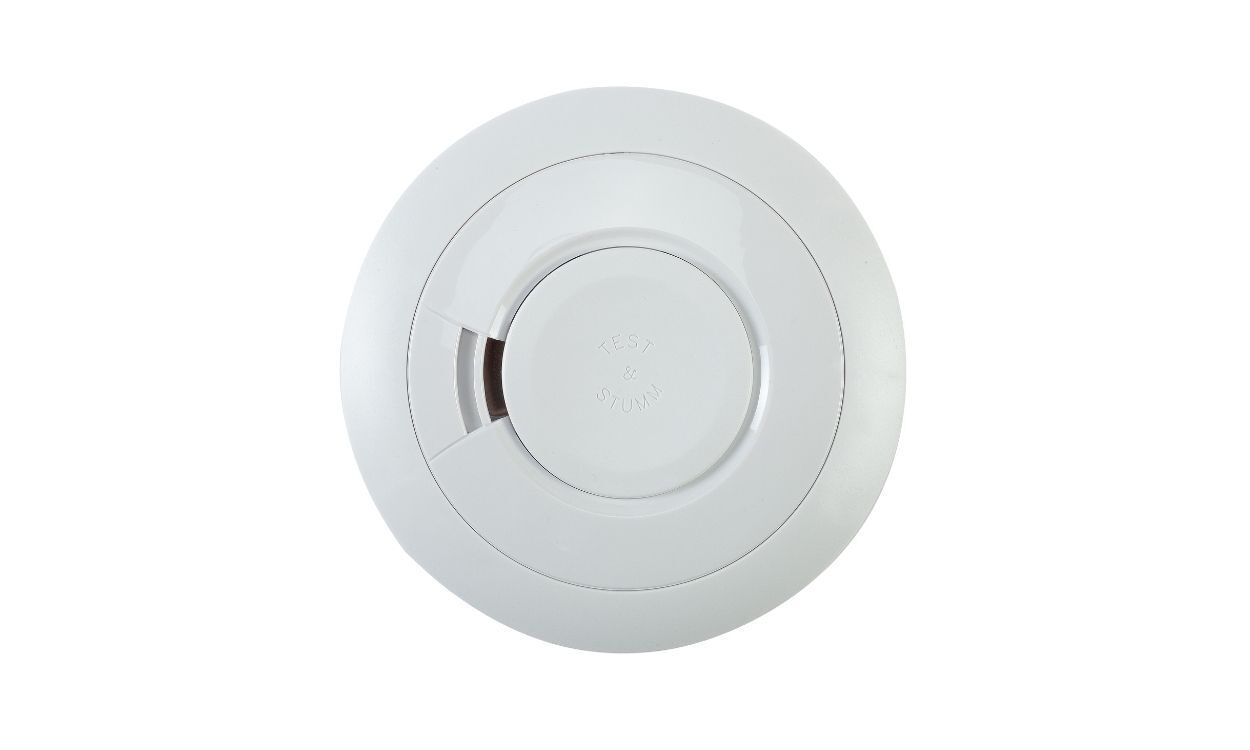
Smoke detectors are devices that are designed to recognise smoke particles in the air. Their primary purpose is to warn people of fires at an early stage.
Most fires in residential buildings start slowly, with smoke spreading before the fire becomes visible or the smell of burning becomes noticeable. A smoke detector detects this smoke and emits a loud alarm signal, warning the occupants to leave the building or take action to fight the fire.
What is a carbon monoxide detector?
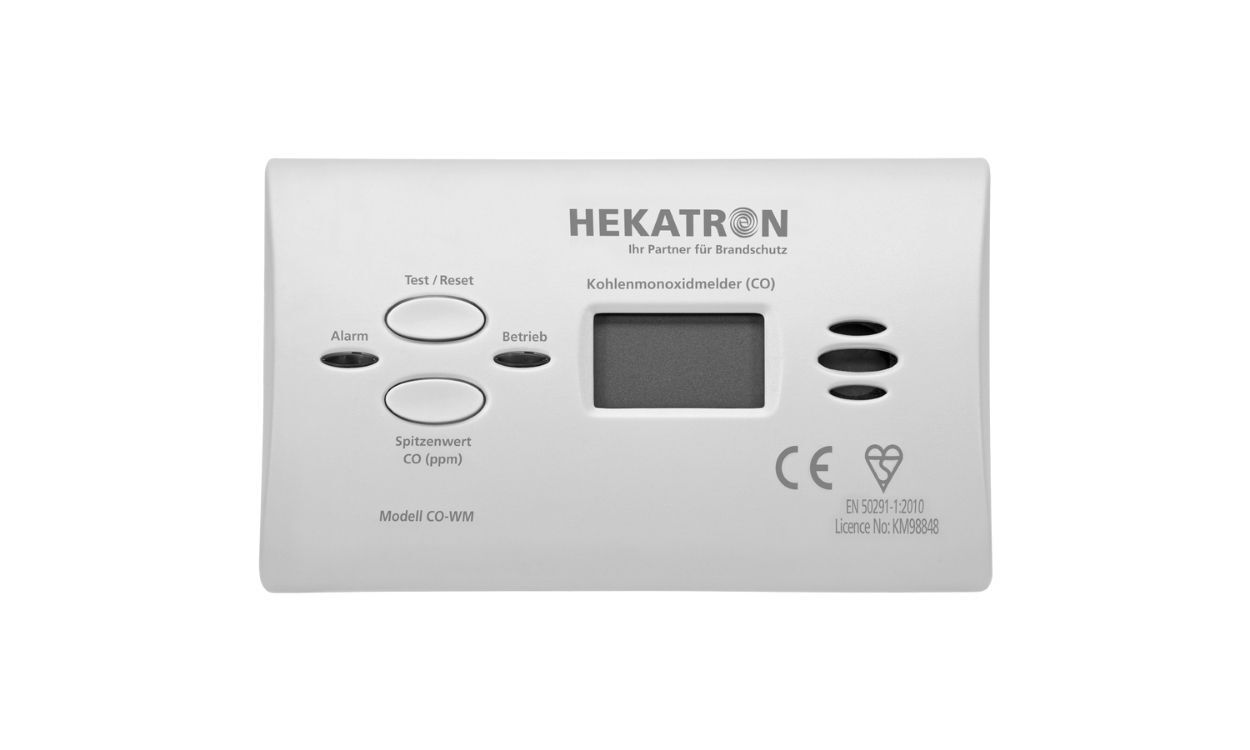
Carbon monoxide detectors, on the other hand, are specially designed to detect carbon monoxide (CO) in the air.
Carbon monoxide is a colourless and odourless gas that is produced by the incomplete combustion of carbon-containing fuels such as gas, oil, wood or coal. It is invisible and odourless, meaning that it can quickly lead to life-threatening poisoning without the appropriate warning systems.
Why both are indispensable

The differences between smoke detectors and carbon monoxide detectors lie mainly in the way they work and the dangers they warn of.
Smoke detectors warn of the visible and perceptible dangers of a fire and are particularly important at night, when the sense of smell is also dormant. Carbon monoxide detectors protect against the invisible and odourless danger of carbon monoxide.
Both devices complement each other in their function and increase safety considerably. A combination of both detectors is therefore the best precautionary measure.