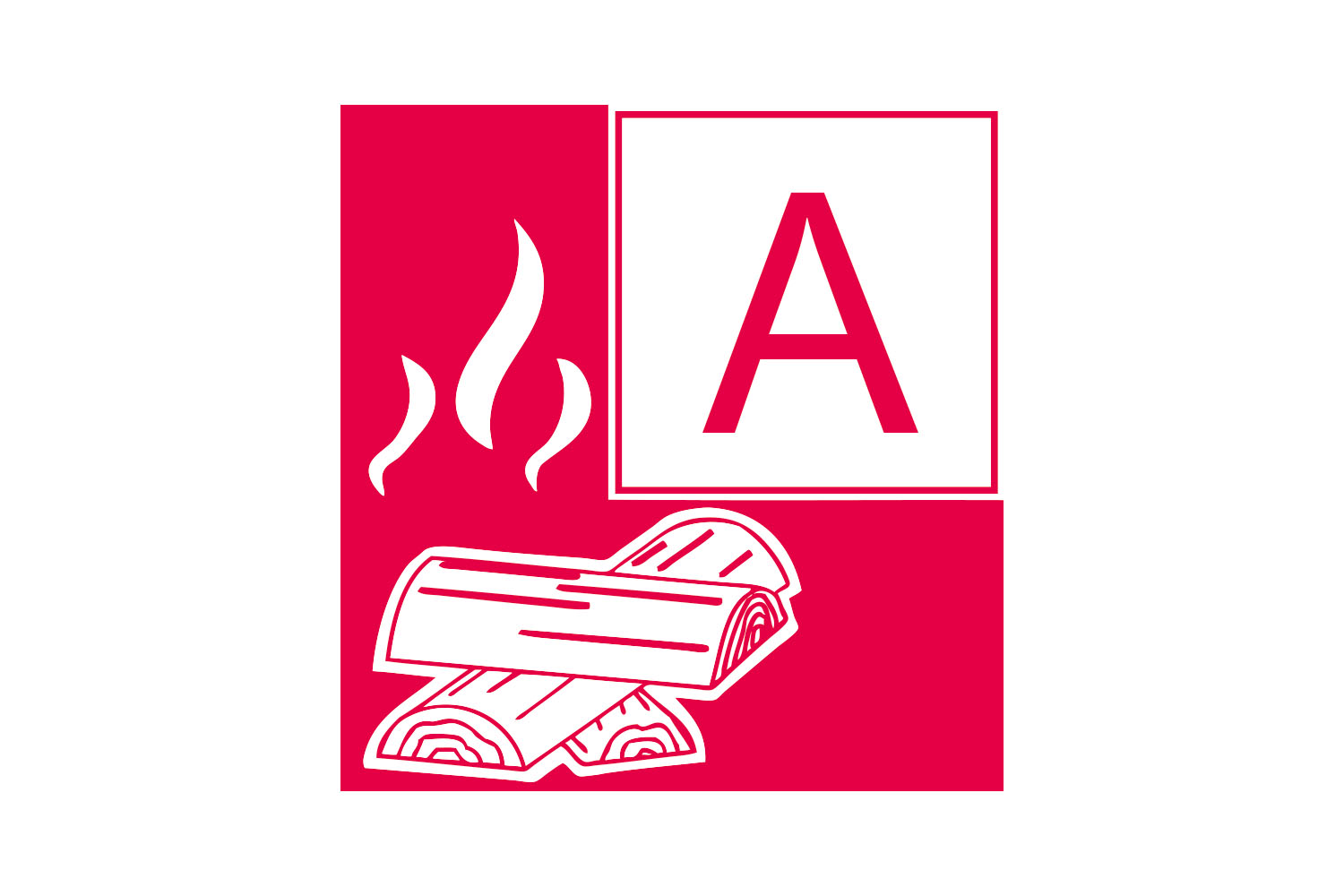
Knowledge of fire classes is a fundamental building block when it comes to fire protection.
In this article, we take a closer look at fire class A - probably the best-known and most common fire class. We'll show you which substances belong to this class, where they frequently occur, how to recognize such fires and - most importantly - how to extinguish them correctly.
What is fire class A?
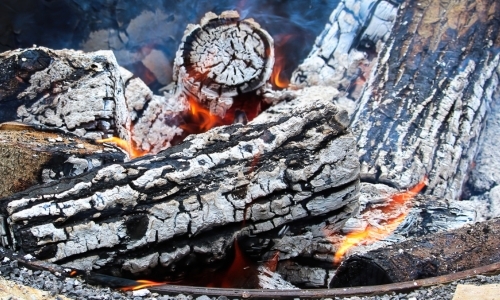
Fire class A includes solid, mostly organic materials that burn with embers. This means that these materials not only produce a flame, but can also develop a deeper ember, which makes the fire particularly stubborn.
Typical materials of fire class A:
- Wood and wood products (e.g. furniture, paper, cardboard)
- Textiles (e.g. clothing, curtains)
- Straw, hay
- coal
- Some plastics (depending on composition) & rubber
Where do class A fires mainly occur?

Class A fires occur wherever solid flammable materials are used - in other words, in practically every area of life. They are particularly common:
- In the home: e.g. in living rooms (furniture, curtains), kitchens (wooden boards, paper towels) or cellars (storage of boxes, clothing)
- In offices and schools: paper, files, furniture, curtains
- In workshops and warehouses: wood, pallets, packaging material
- On farms: straw, hay, wooden structures
- In nature: forests, parks (forest fires)
The rapid spread through furniture, carpets or curtains is particularly dangerous indoors.
Which extinguishing agents are suitable?
In the case of class A fires, the main aim is to smother the embers and reduce the temperature. The following extinguishing agents are particularly suitable for this:
- Water
is the most effective extinguishing agent against glowing fires. It cools the burning material and interrupts combustion. However, it is not suitable for electrical systems! - Foam
forms an insulating layer over the burning material. The foam prevents re-ignition and cools down. - Powder (ABC powder)
is versatile. It extinguishes fire classes A, B and C. However, a powder extinguishing agent leaves behind fine dust that can damage sensitive equipment.
Which fire extinguishers are suitable for fire class A?
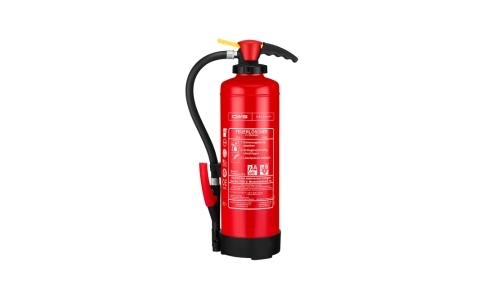
Depending on the location and environment, there are different fire extinguishers that are suitable for fire class A:
- Water extinguishers
- Ideal for homes, offices, warehouses with flammable solids.
- Effective, clean and easy to handle.
- Attention if there is a risk of frost: There are also water-based extinguishers with frost protection.
- Foam extinguishers
- Well suited for combined fire hazards (A and B).
- Particularly popular in offices, hotels and workshops.
- ABC powder extinguisher
- Universally applicable, especially outdoors or in industry.
- Suitable for fire classes A, B and C.
- Leaves residue - therefore not ideal for living areas.
Tip: When buying a fire extinguisher, pay attention to the fire class labeling. A clearly visible “A” in the pictogram shows you that the extinguisher is suitable for solid materials.
Class A fires are omnipresent - from your own home to the workshop. The targeted use of water, foam or powder extinguishers can save lives and minimize property damage.
It is important to know your surroundings, choose the right fire extinguisher and know how to use it.