
In addition to fire classes A and B, fire class C is particularly relevant in technical operations and laboratories. It describes fires caused by gaseous substances. In this article, you will learn:
- Which substances belong to fire class C
- Where such fires typically occur
- Which extinguishing agents and fire extinguishers are suitable
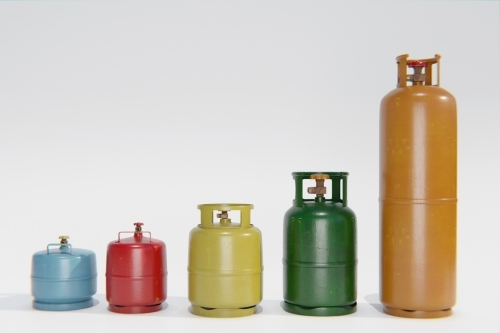
What is included in fire class C?
Fire class C fires are caused by gases that can ignite rapidly when they come into contact with oxygen and an ignition source. They typically involve an open flame without embers. These fires can also be explosive when large quantities of gas are involved, especially if they spread uncontrollably in enclosed spaces.
Typical substances are:
- Propane, butane, methane (e.g., from gas cylinders or heating systems)
- Hydrogen (e.g., in laboratories or industrial processes)
- Acetylene (e.g., in welding work)
- Ammonia and other technical gases
- Biogas
- Natural gas
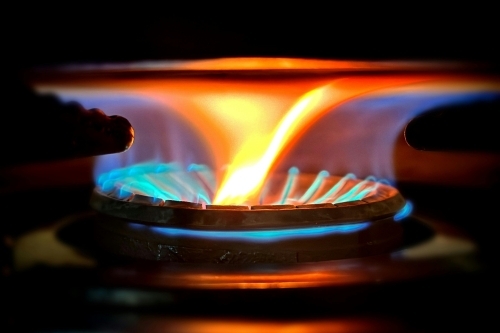
Where do Class C fires occur?
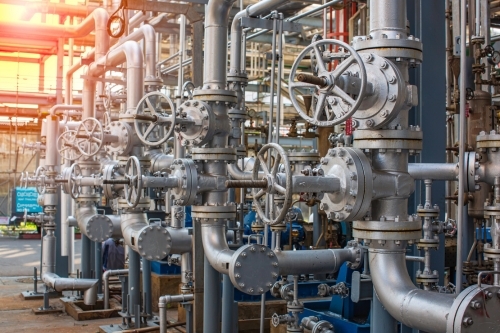
Fires involving gaseous substances occur in many industries—especially where gas systems, pressure vessels, or pressure pipes are used. Common locations include:
- Industrial plants with technical gases
- Workshops with welding technology or autogas
- Storage facilities for gas cylinders
- Commercial kitchens with gas stoves
- Laboratories and testing facilities
- Biogas plants and sewage treatment plants with methane risk
- Chemical plants
Which extinguishing agents are suitable?
Only special extinguishing agents are suitable for class C fires. Using water can be dangerous, as it does not extinguish the flames and can trigger uncontrolled reactions.
Suitable extinguishing agents are:
- ABC or BC powder: effectively interrupts the combustion of gases
- Inert gases (e.g., nitrogen or argon): used in special systems, especially for sensitive equipment
Effective firefighting requires that the gas supply be reliably shut off first. This is the only way to prevent further spread.
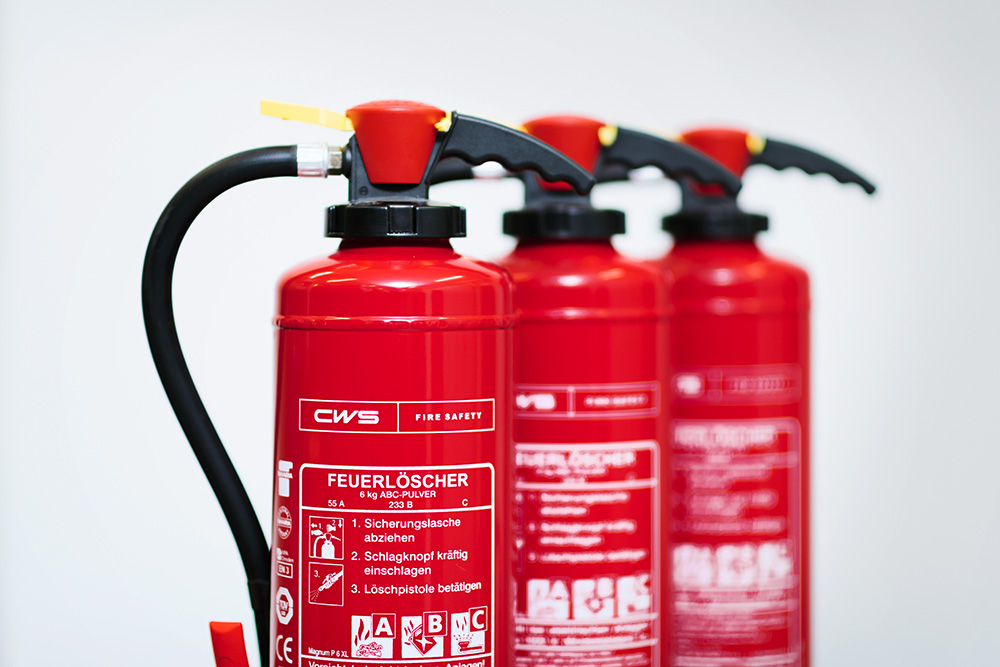
Which fire extinguishers are suitable for fire class C?
Depending on the area of application, different fire extinguishers can be used:
- ABC powder extinguishers: suitable for class A, B, and C fires – particularly versatile
- BC powder extinguishers: specially designed for liquids and gases
Gas fires: invisible danger requires clear measures

Gases are often odorless, colorless, and without visible warning signs. Even the smallest leaks can pose a high fire risk. Many gases are heavier than air and accumulate near the floor—particularly critical in basements, shafts, and unventilated rooms. A safe environment can only be created through clearly regulated measures:
- Keep fire extinguishers for fire class C
- in affected areas
- Regular maintenance
- of gas pipes and pressure vessels
- Targeted training for employees
- Gas storage in accordance with regulations
- Control invisible risks
Gas fires are among the most critical types of fires in commercial environments. Safety is achieved through the right equipment, expert maintenance, and trained personnel. CWS Fire Safety supports you with suitable fire extinguishers, sound advice, and customized fire protection concepts.