
The right safety signs at the workplace are crucial in dangerous situations to react quickly and correctly. At the same time, they serve to prevent accidents by providing information on occupational safety such as the wearing of personal protective equipment.
For example, fire protection and rescue signs provide information about escape and rescue routes or the location of extinguishing equipment such as fire extinguishers or wall hydrants. At the same time, they show the way to first aid facilities such as a defibrillator or a stretcher.
We give you an overview of:
What are the regulations for safety signs in the workplace?
The basics for safety signs at the workplace are provided by the Workplace Ordinance (ArbStättV) and the Technical Rules for Workplaces (ASR A1.3). In addition, various standards such as DIN EN ISO 7010 apply.
According to the Workplace Ordinance, the responsibility for affixing safety signs at the workplace lies with the employer. The decision as to whether and which safety signs are required must be made on the basis of a risk assessment.
Click here to learn more about safety markings and lighting from CWS.
Installation and maintenance
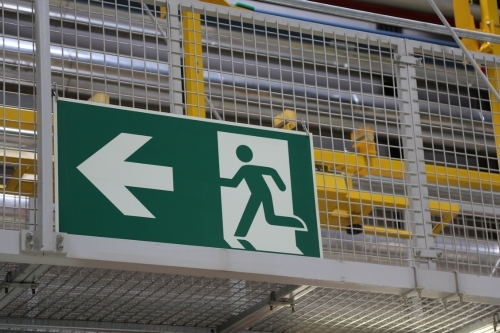
Safety signs at the workplace are to be implemented by the employer or a service provider depending on the risk assessment. For this purpose, the valid specifications regarding size, material and recognition range must be taken into account. Consequently, emergency exit signs must be clearly visible in corridors and above emergency exit doors.
Furthermore, safety exit signs do not require maintenance. Nevertheless, it is necessary to regularly check the safety signs in the workplace so that they are always visible without restrictions. As a result, it is necessary to check whether safety signs are blocked, suspended, have fallen down or are damaged.
CWS will be happy to help you choose & install safety signs in your building. Contact us now.
The most important fire protection signs
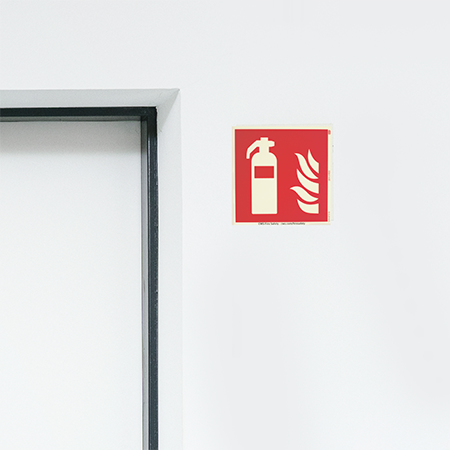
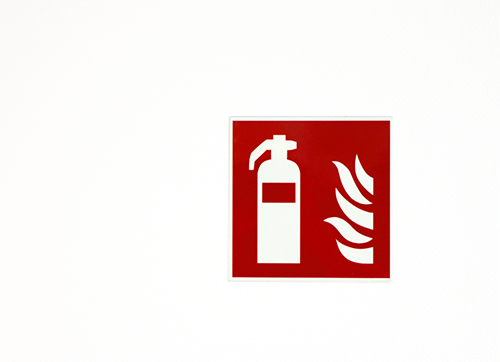
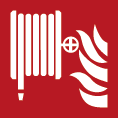
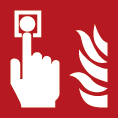
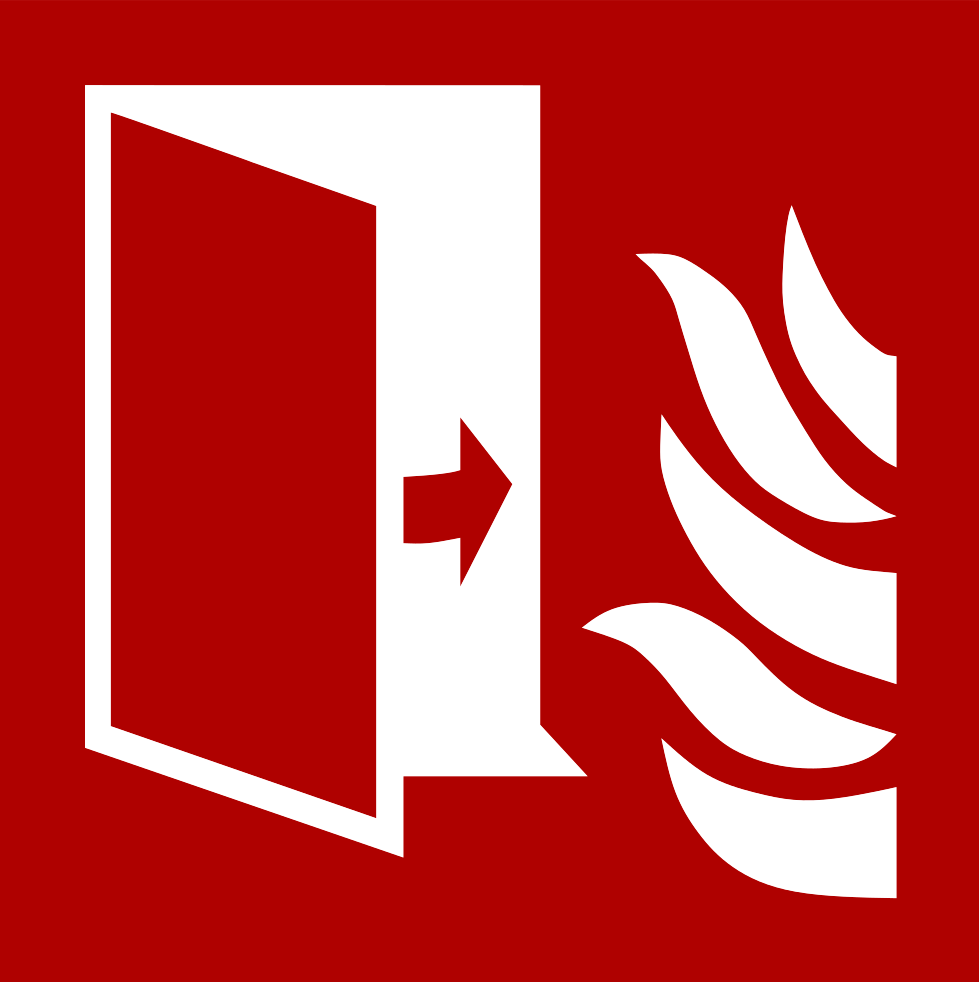
Fire protection signs indicate alarm or extinguishing devices that are of particular relevance in case of fire. They are based on the Technical Rules for Workplaces (ASR) and have been binding since 2013 according to the international standard ISO 7010.
The adaptation pursued the goal of standardising safety signs in the workplace and reducing problems of understanding. Compared to the old fire safety signs according to DIN 4844, the new versions also have a white flame to make the fire safety reference clear.
Good to know: Existing safety labels are currently protected. This means that safety signs according to DIN 4844 (i.e. before 2013) do not necessarily have to be replaced with new ones.



The most important rescue signs
In case of danger, escape signs indicate the escape and rescue route or lead to facilities that are relevant for the rescue of persons.
These include, for example:
- Emergency exits
- Assembly points
- Defibrillators
- First aid boxes
- Stretchers or emergency showers.